The urban designer of Vivapark
Before Vivapark existed, there was Curitiba. That's where an architect aged 33, appointed mayor of a city of 600 thousand inhabitants, decided that buses could run like a subway, that streets could belong to people, and that parks were the best protection against flooding. Fifty years later, with the world copying his ideas, Jaime Lerner designed his last neighborhood on the edge of BR-101, in Porto Belo. This page tells you who he was, what he did, and why Vivapark is the most complete version of what he spent his life trying to explain.
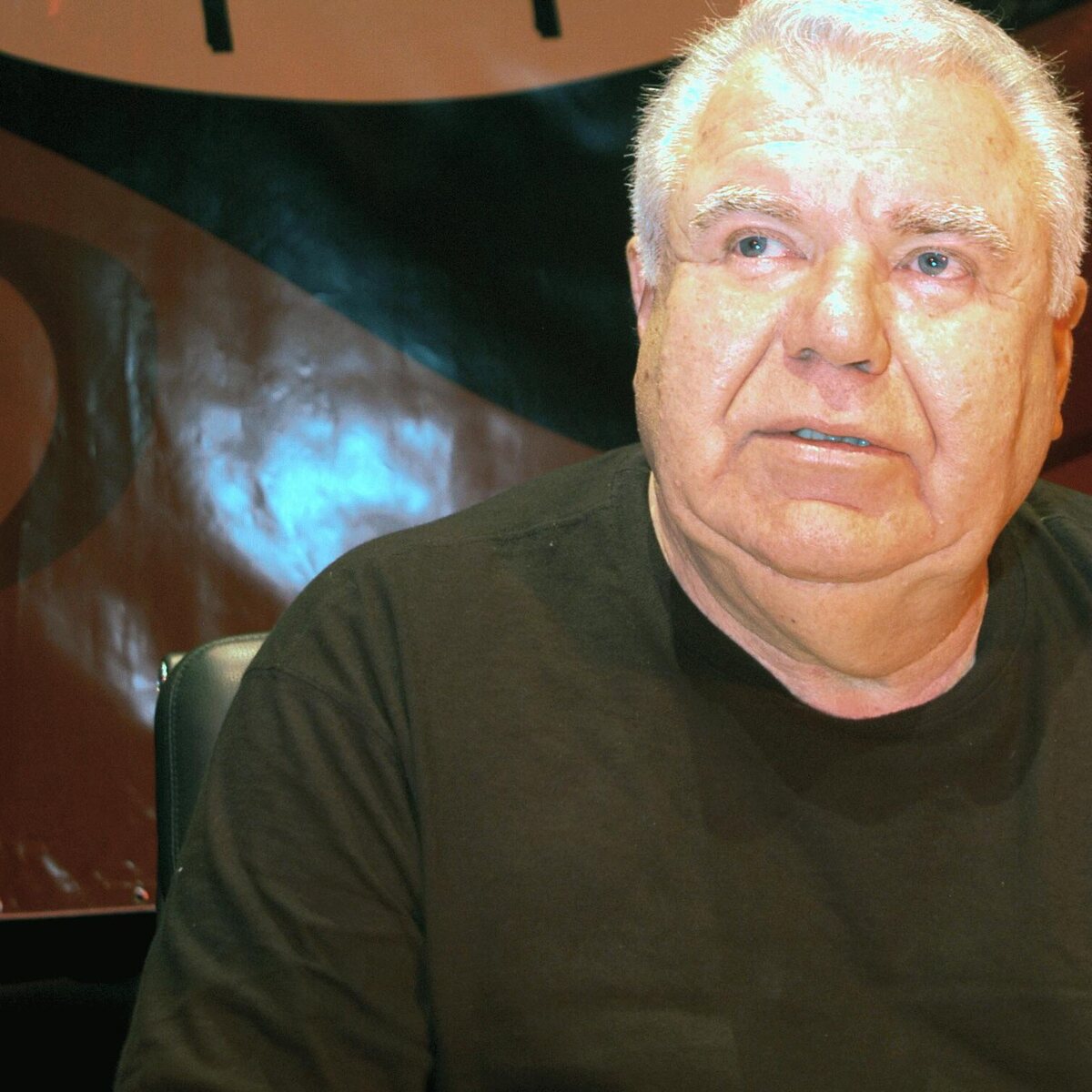
"The city is not the problem. The city is the solution."Jaime Lerner, in lectures and interviews over decades (Cimento Itambé, ND Mais). Photo: Victor Soares/ABr, CC BY 3.0 BR, Wikimedia Commons.
Jaime Lerner was born in Curitiba on December 17, 1937, the son of Polish Jewish immigrants from Łódź. He earned his degree in architecture from the Federal University of Paraná in 1964 and the following year helped establish IPPUC, the planning institute that created the city's master plan. In 1971, at age 33, he was appointed mayor. Curitiba had 600 thousand residents, streets choked with cars, and rivers that overflowed every summer.
He governed the city three times and the state twice, but the world doesn't remember the titles—it remembers the ideas. The bus in a dedicated lane that costs twenty times less than a metro. The pedestrian mall built in a weekend. The parks that prevent flooding. The trash traded for food. In 2010, Time magazine named him among the world's most influential thinkers; in 2018, Planetizen ranked him the second most influential urbanist of all time. He led the International Union of Architects between 2002 and 2005 and received, among others, the UN Environment Award (1990), the Prince Claus Award (2000), and the OECD's Leadership in Transport Award (2011).
He died in Curitiba on May 27, 2021, at age 83, from kidney disease. The city council declared three days of mourning. At that moment, in Porto Belo, the first phase of Vivapark was under construction.
"If you want creativity, cut a zero from your budget. If you want sustainability, cut two."
Jaime Lerner, TED 2007, "A song of the city". That's how Curitiba built the BRT without buying a single bus: the city designed the routes and private companies provided the fleet.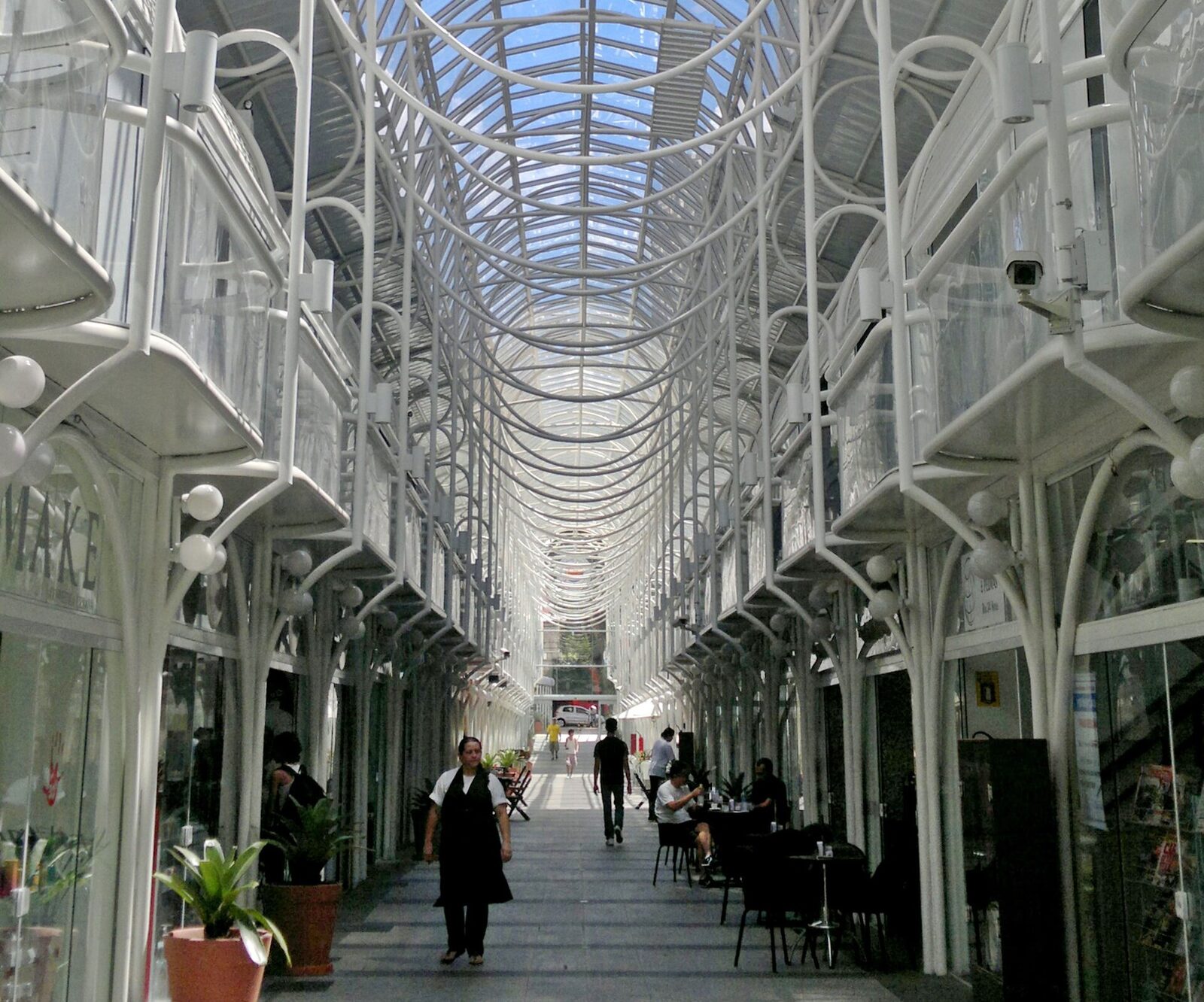
Brazil's first pedestrian mall was built in a weekend, in 72 hours, so shopkeepers wouldn't have time to stop it. When a group tried to bring cars back, Lerner filled the street with children painting paper on the ground. Twenty years later, Rua 24 Horas, a covered gallery that never closes. Photo: Rua 24 Horas.
Photo: SamirNosteb, CC BY-SA 3.0, Wikimedia Commons.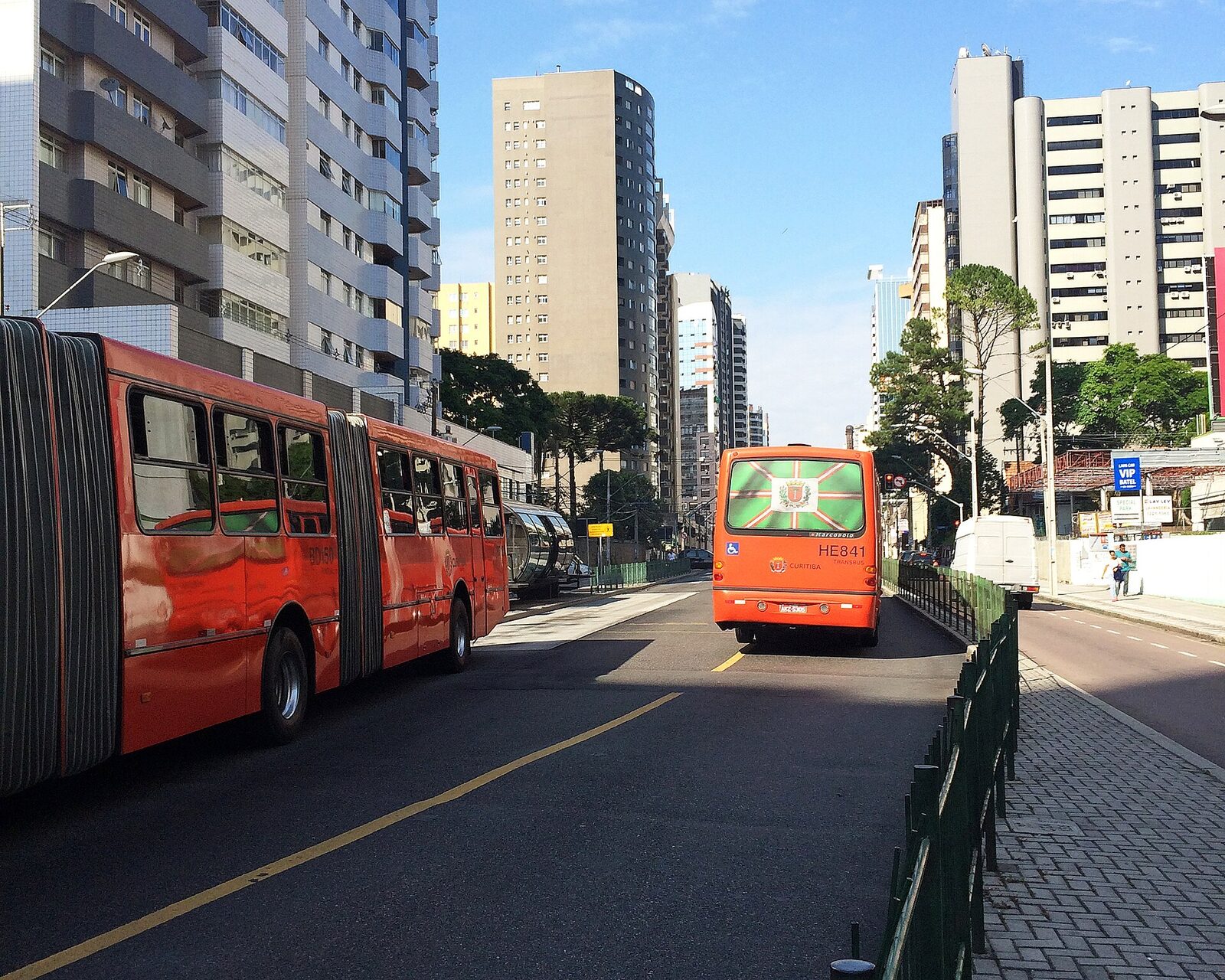
Exclusive lanes for articulated buses, tube stations with pay-before-boarding and level boarding. It cost a fraction of a metro and today carries over 2 million passengers per day. More than 200 cities have copied it, from Bogotá to Seoul. It's the origin of the term BRT.
Photo: Mariordo (Mario Roberto Durán Ortiz), CC BY-SA 4.0, Wikimedia Commons.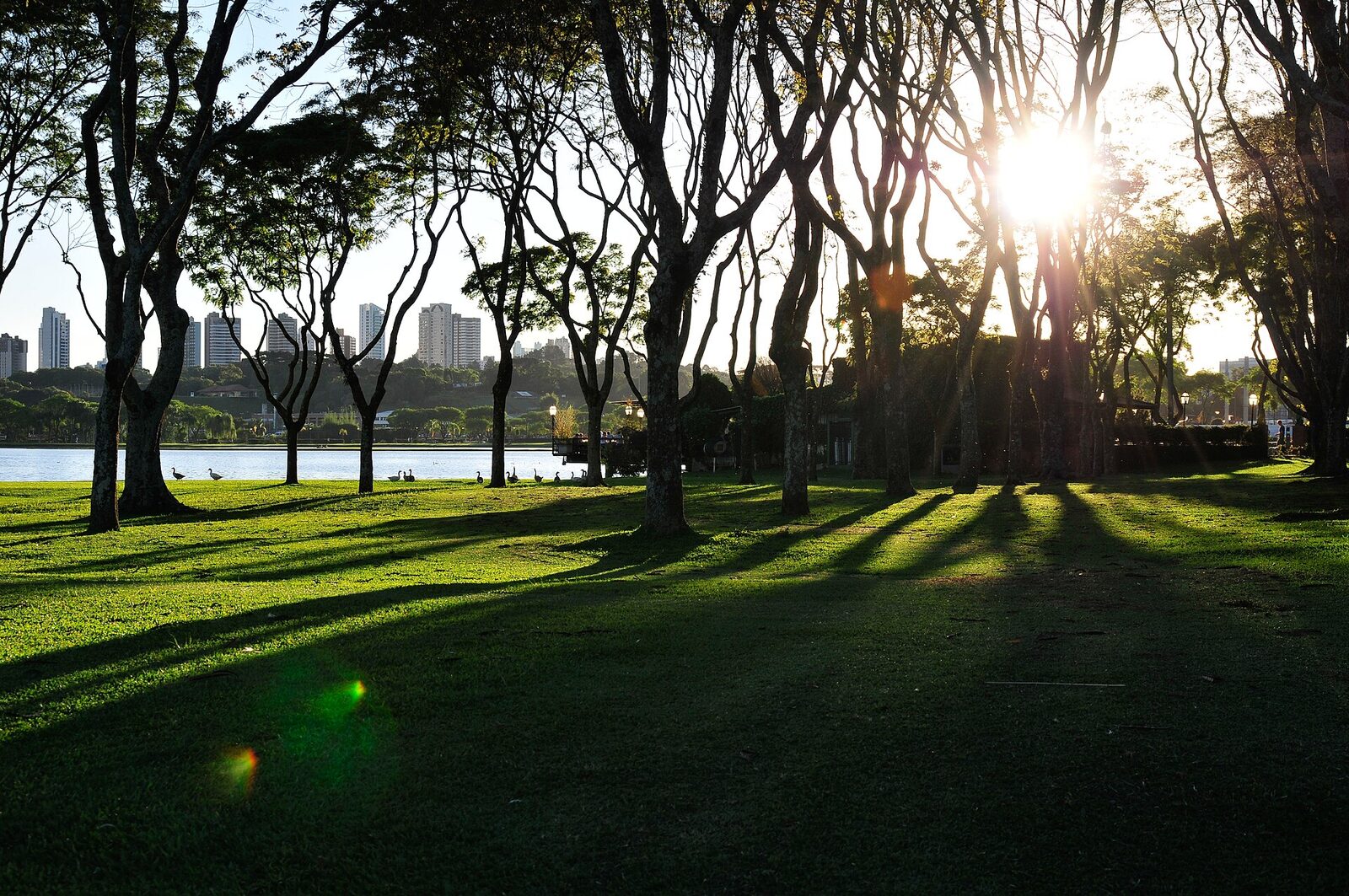
Instead of dikes, parks. The city government bought the river floodplains and transformed them into lakes that hold rainwater. Barigui has 1.4 million m². Green space per resident went from 0.5 m² in 1970 to more than 50 m², three times what the UN recommends.
Photo: Fer14041978, CC BY-SA 3.0, Wikimedia Commons.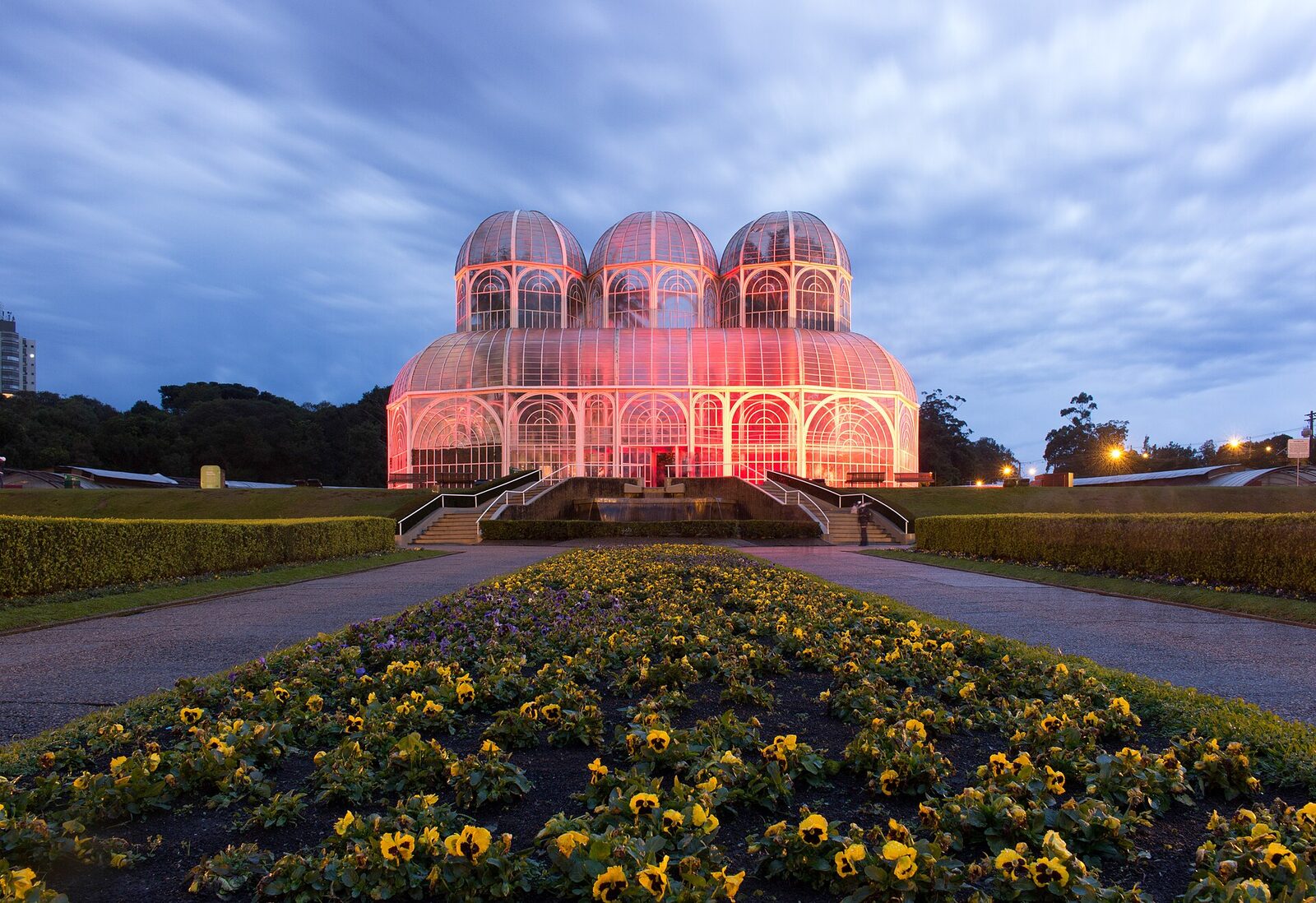
An old informal settlement became the city's postcard: the iron and glass greenhouse on the axis of a French garden. Today it's the most photographed place in Curitiba.
Photo: Rodrigo Argenton, CC BY-SA 4.0, Wikimedia Commons.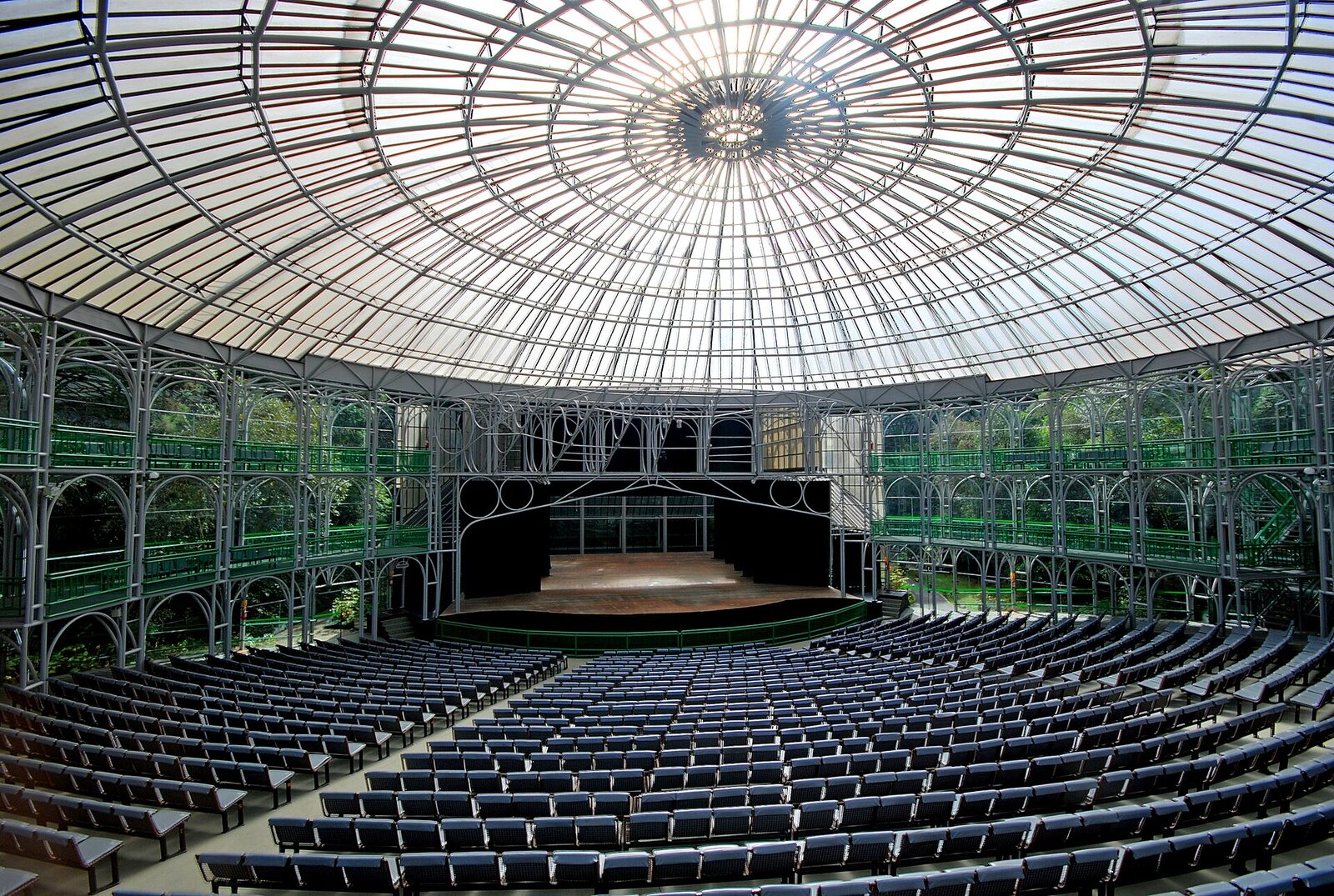
A theater made of steel tubes and polycarbonate built inside a deactivated quarry, over a lake, with 1,600 seats. Next to it, in the same quarry, the Free University of the Environment, inaugurated with Jacques Cousteau.
Photo: herval, CC BY 2.0, Wikimedia Commons.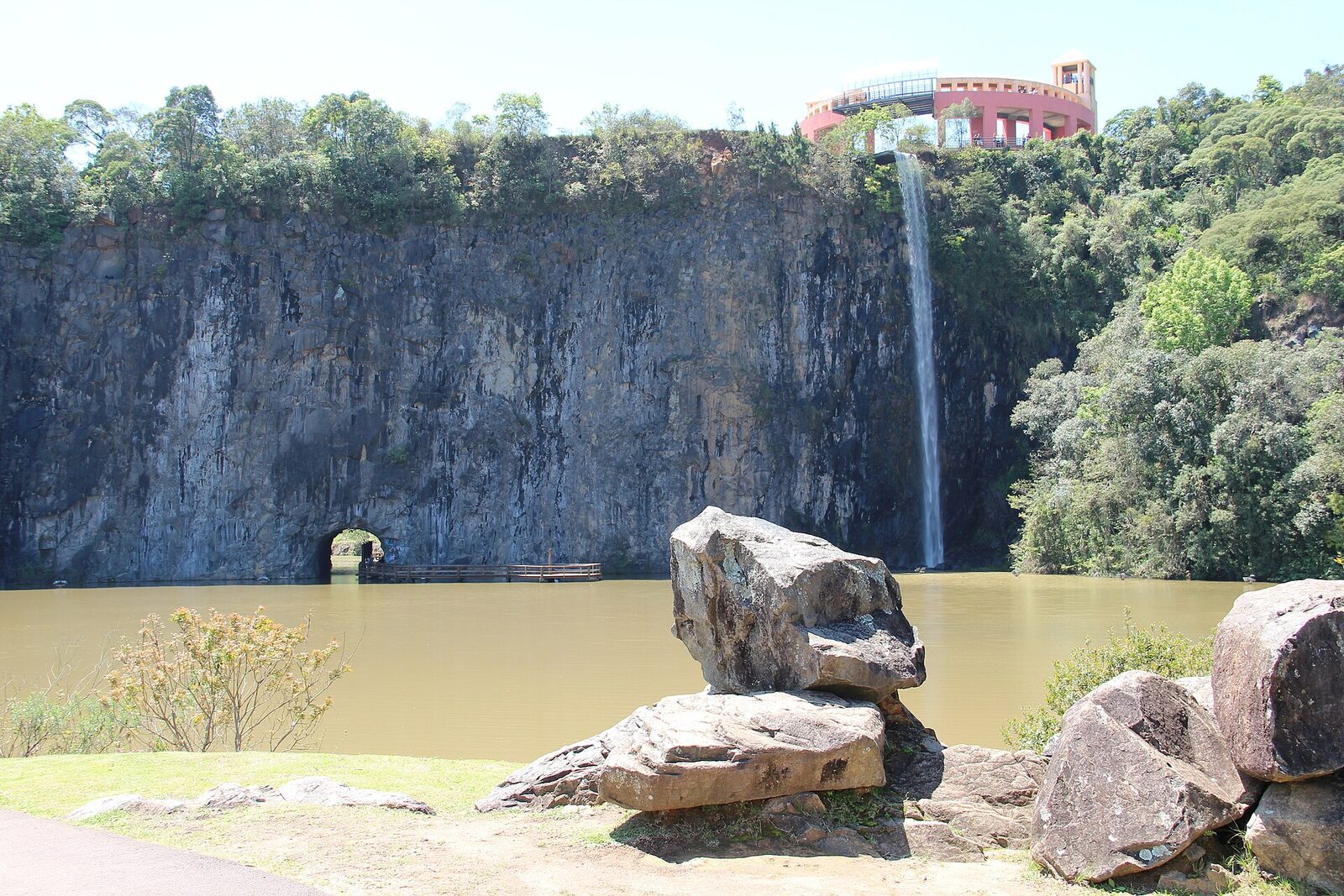
Another abandoned quarry turned into a park, complete with a tunnel, waterfall, and a lookout over the araucaria trees. Lerner's rule: what the city threw away becomes the city's best place.
Photo: Marinelson Almeida, CC BY 2.0, Wikimedia Commons.There's more: the Waste That Isn't Waste program (1989), which exchanged separated waste for food and reached 70% of homes sorting; the Lighthouses of Knowledge, neighborhood libraries with towers and lights; the Pope's Grove; the Curitiba Memorial; the Free University of the Environment. The logic was always the same, and he summed it up in one phrase: "wherever the bus ran, buildings went up; wherever it didn't, it became a park".
Lerner explained the city through an animal. On the turtle's shell are, all together, the place to live, the place to work, and the place to enjoy life. It carries everything with it and so doesn't need to rush. If you cut the shell into three pieces, the turtle dies. A city that separates housing, work, and leisure into distant zones does this to people: it forces everyone to live inside their car, moving from one piece of the shell to another.
"The shell represents the various urban functions: the place to work, the place to live, the place for leisure. The turtle is the best example of life and work together."
Jaime Lerner, in the book The Neighbor: Family by Way of the Street (2005), cited by Planned Chaos.That's where the 15-minute rule comes from: everything essential within walking distance. That's why the park is in the center, not on the edge. That's why you'll find homes, low-rise buildings, schools and shops all on the same block. He called it urban acupuncture when it was just one needle—a quick intervention that transforms a neighborhood; and he called it a park neighborhood when it was the whole design.
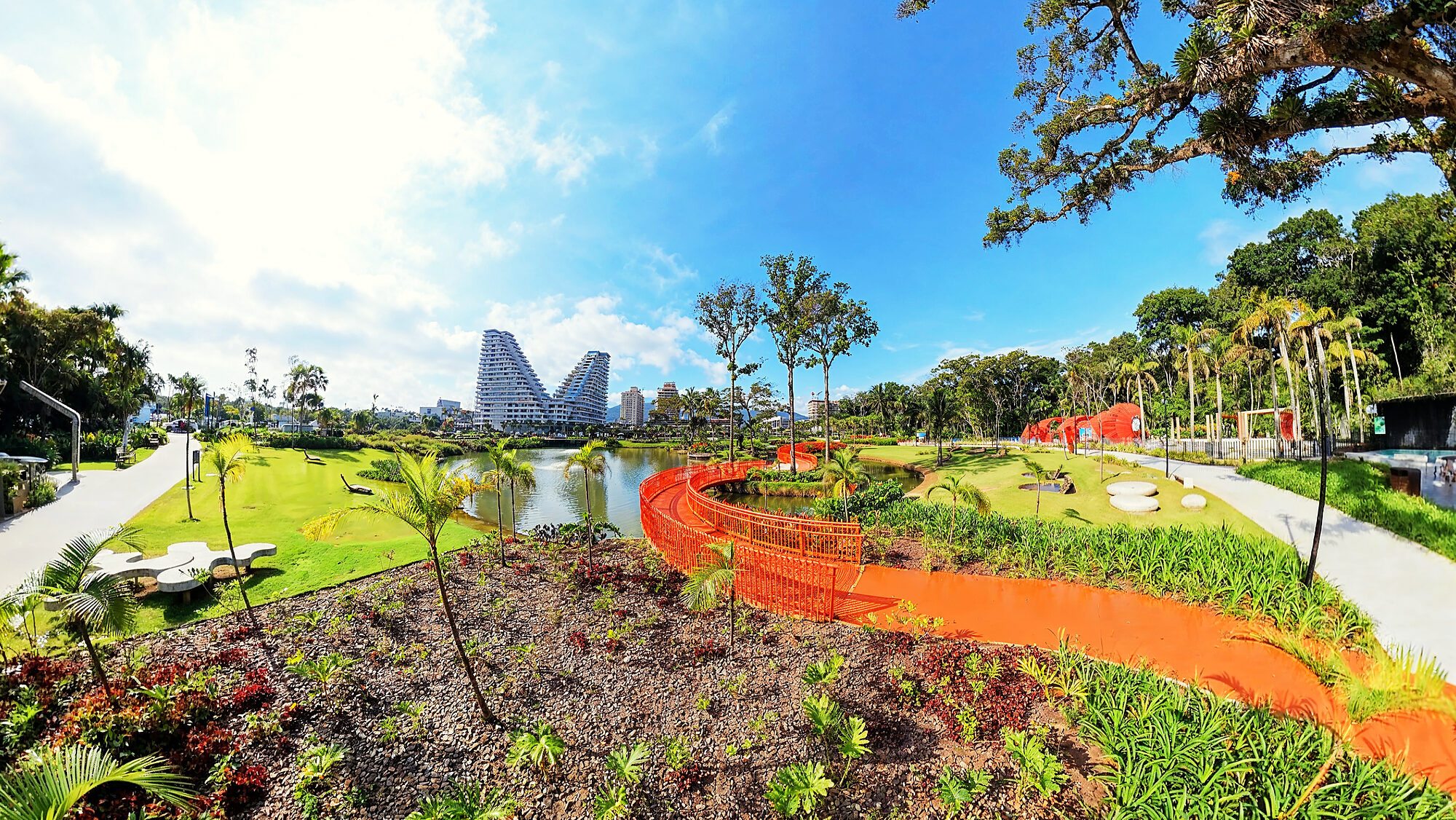
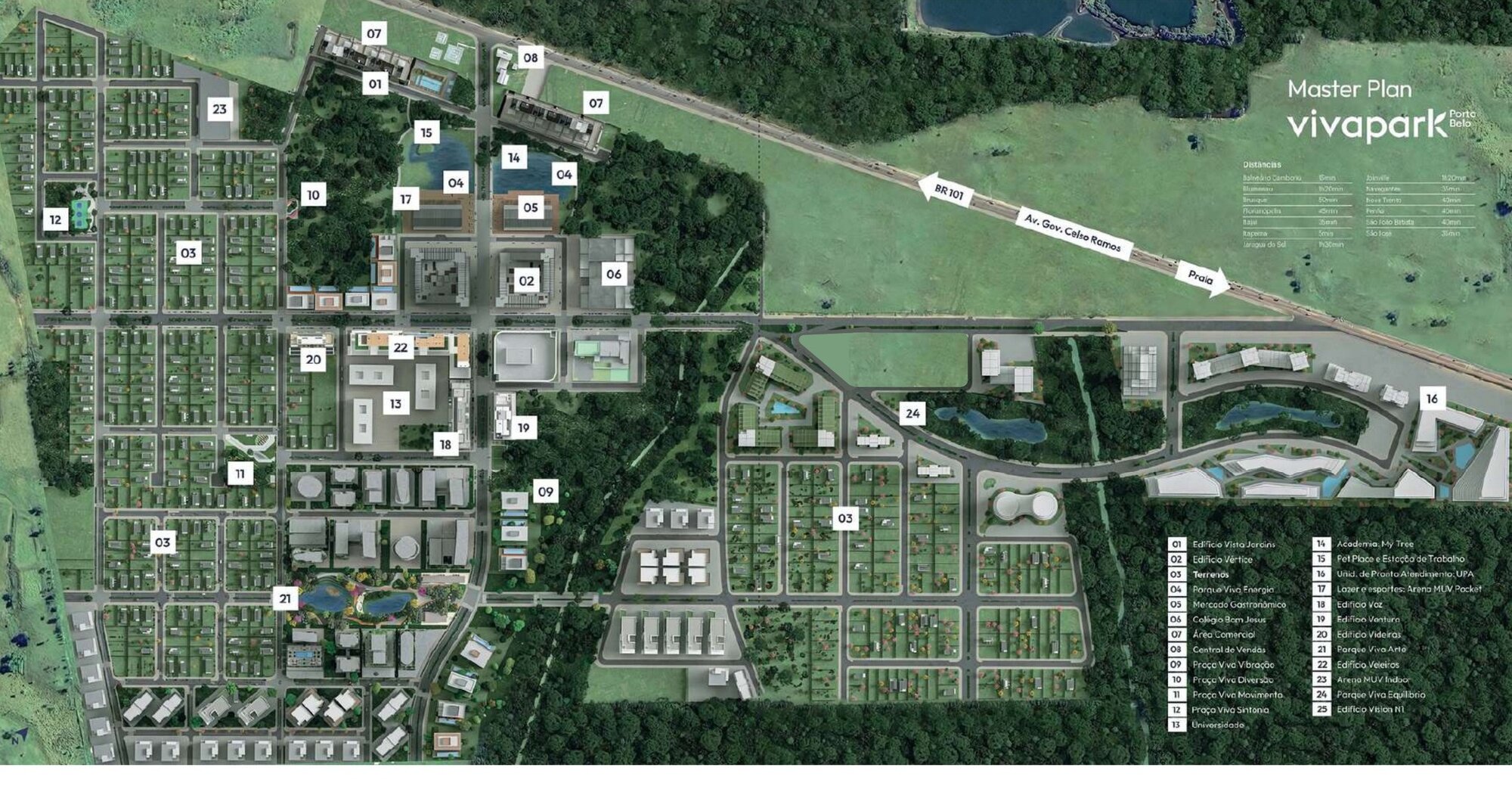
In 2020, when Vokkan began earthmoving on 990 thousand m² between the sea and BR-101, the masterplan already had a signature: Jaime Lerner Arquitetos Associados. Architect Debora Ciociola, from the office, told HAUS in 2022 that "Jaime was the mentor of everything, the one who spread these concepts among us," and that Vivapark applied fifty years of his work to a fresh piece of land, free from the constraints of an already-built city. Vokkan calls the neighborhood one of Lerner's final projects: he passed away in May 2021, with the first phase under construction; it was delivered in October 2023.
In April 2022, Vivapark received LEED for Communities Platinum, the first in the world at this level in the planning and design category, with 87 of 110 points. The detail that HAUS noted: the project wasn't designed for the certification; the certification came afterward, evaluating what Lerner had already designed.
Parks in the floodplains to prevent flooding. Green space from 0.5 m² to 50 m² per resident.
Two parks with lakes at the center of phases 1 and 2, rain gardens and streets designed for water absorption. 230 thousand m² of green space for 30 thousand residents.
Rua XV becomes a pedestrian mall in 72 hours: the street returned to those who walk it.
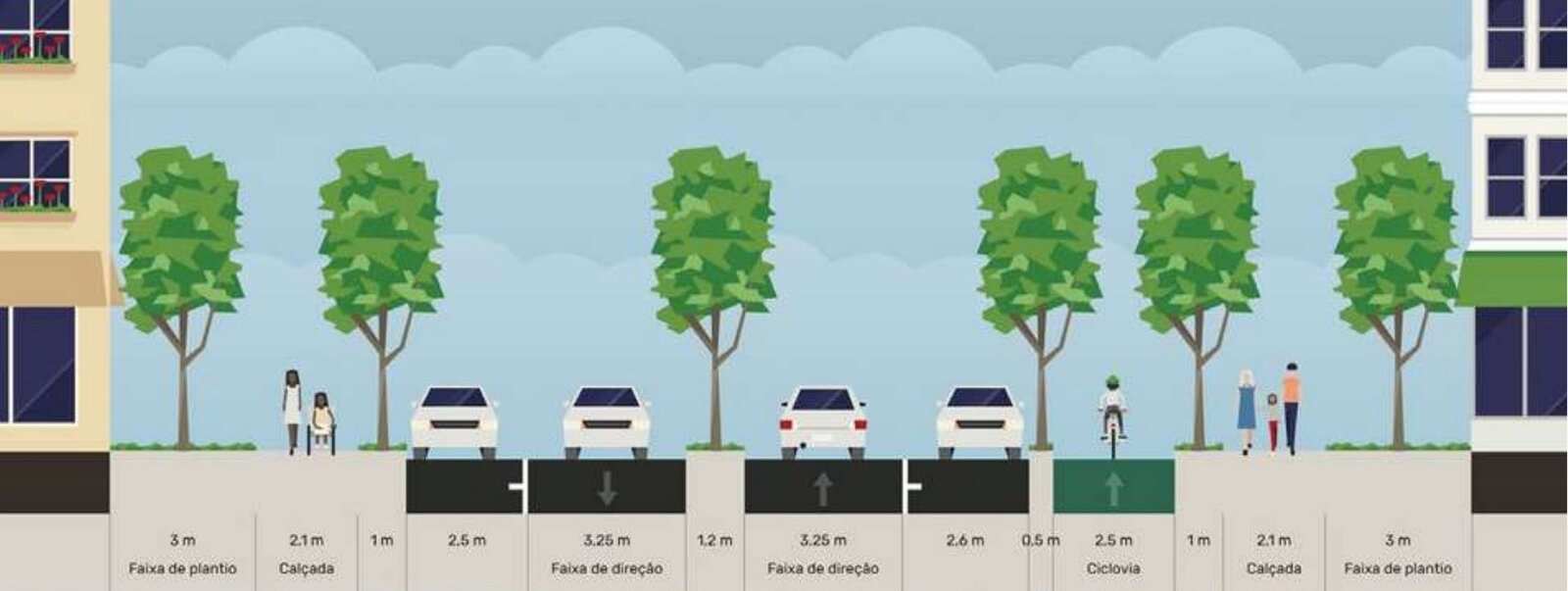
Sidewalks with tactile paving, raised crossings, bike lane and planting strip along the entire street; the leisure street next to the restaurants.
Where the transit corridor runs, buildings go up; where it doesn't, there's park.
Buildings of controlled height on the central avenue; houses in the interior blocks; park between them. Nothing gets built without going through the design.
Live, work, and thrive in the same neighborhood.
School, university, urgent care, grocery store, restaurants, gym, arena, and offices (Veccel) 15 minutes on foot from any home.
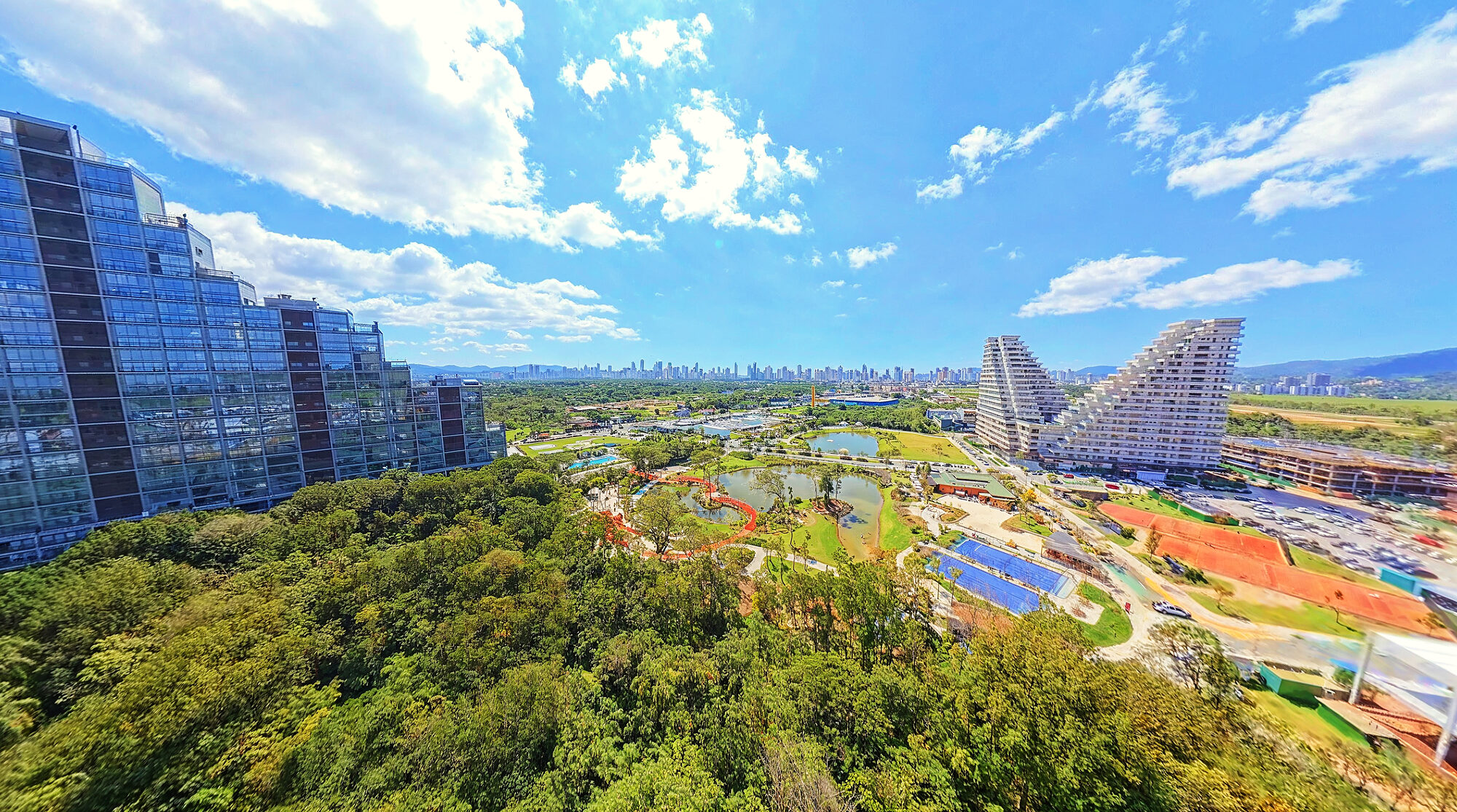
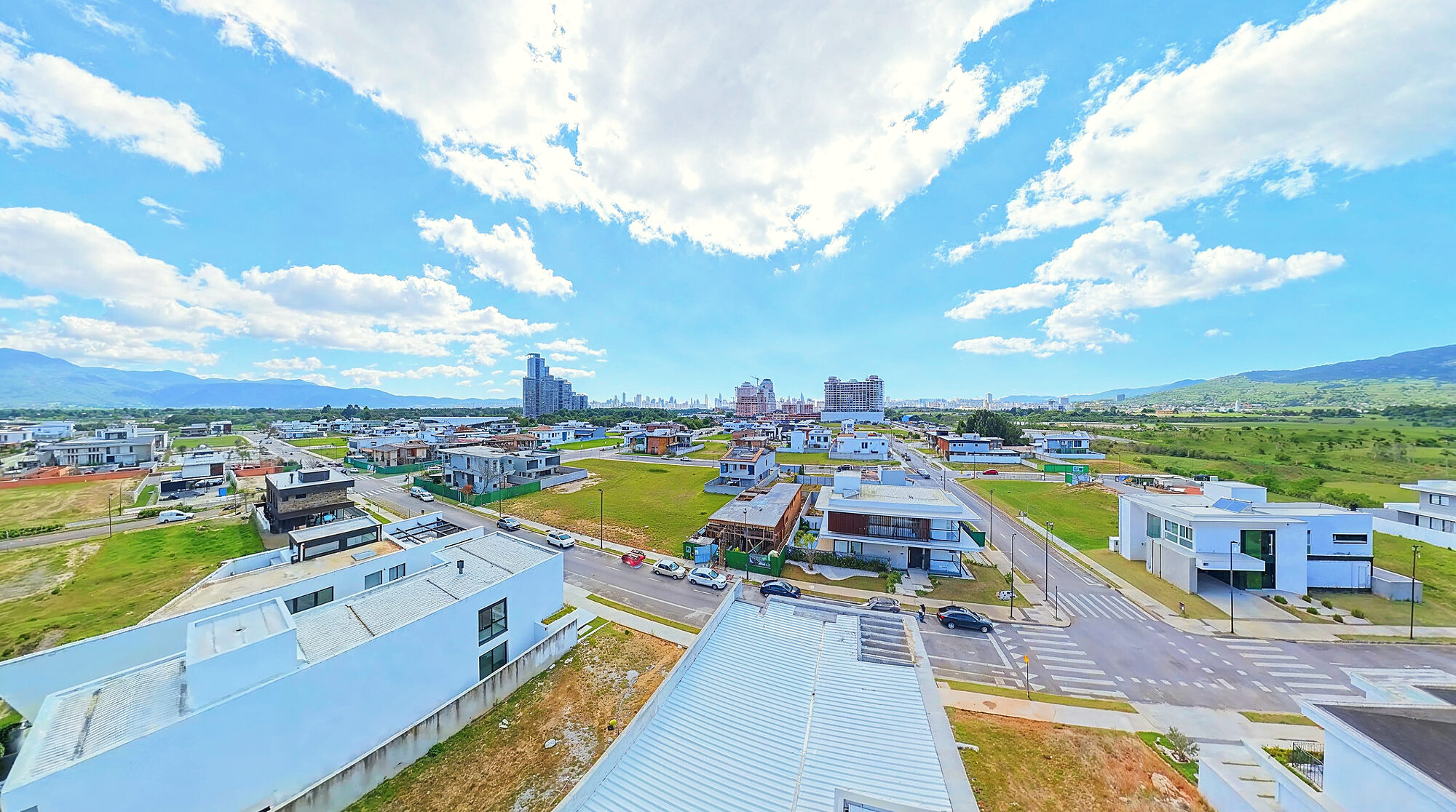
"Vivapark is a call to live in this space, to live well, where sustainability and connection between people happen in the right way."
Jaime Lerner on Vivapark, in Vokkan's official case for the Master Real Estate Award 2025.A park neighborhood designed by someone who spent 50 years studying what makes a city work isn't just a brochure claim: it's why the park is in the center, why the school is within walking distance, why the street has no utility poles, and why buildings stay within a certain height. It's what the Master Prize recognized in 2025 and what LEED Platinum measured in 2022. And you can verify it just by walking around: 44 homes, 20 lots and 12 buildings with units for sale are all part of this design. The neighborhood guide shows phase by phase.
Architect and urban planner of Curitiba (1937–2021), three-time mayor of the city (1971–74, 1979–83, and 1989–92) and two-time governor of Paraná (1995–2002). He created the express bus system in dedicated lanes (BRT) that's been copied by more than 200 cities, transformed Rua XV into Brazil's first pedestrian mall in 72 hours, and made Curitiba the capital of parks. He was president of the International Union of Architects (2002–2005), named by Time in 2010 as one of the world's most influential thinkers, and by Planetizen in 2018 as the second most influential urban planner of all time.
The Vivapark Porto Belo masterplan is by his firm, Jaime Lerner Arquitetos Associados. The neighborhood was designed as a park neighborhood, with the park at the center and everything within a 15-minute walk—the idea of the "turtle city" he championed his whole life. Construction began in 2020 and he passed away in May of 2021: Vivapark was one of the last projects he signed.
The metaphor he used to explain how a city should work. In the turtle's shell, living, working, and leisure are all together. If you cut the shell into three, the turtle dies. A city that separates housing, work, and leisure into distant zones forces everyone to live in their car. Vivapark applies this: school, market, park, gym, and work are all within walking distance.
Because in Curitiba, parks were the solution to an engineering problem. Instead of spending on dikes against river flooding, the city government bought the floodplains and built parks with lakes that hold rainwater. The Barigui (1972), with 1.4 million m², is the example. Green space per resident went from 0.5 m² in 1970 to more than 50 m². At Vivapark, the Viva Energia and Viva Equilíbrio parks serve the same purpose: the lakes and rain gardens receive water on flat terrain with a shallow water table.
The title of Lerner's best-known book (2003). The idea: a city doesn't need a massive plan to improve; it needs small, quick, precise interventions at the right points, like acupuncture needles. The pedestrian mall built in 72 hours is the classic example. He used to say that any city can change for the better in less than three years.
The masterplan is from his firm, and the project was developed by the team at Jaime Lerner Arquitetos Associados along with Vokkan. He passed away in May of 2021, while the first phase was still under construction (delivered in October of 2023). There is no public record of him visiting the finished neighborhood; the quote about Vivapark that Vokkan uses in the case study is "a call to live this space, to live well."
Sources: Wikipedia (biography, terms in office, awards); TOPVIEW, May 27, 2021 (works and dates); Vivadecora (works, Planetizen 2018); Cimento Itambé, Jun 8, 2021 (quotes, 200+ cities with BRT); Green Savers (green area 0.5 → 55 m², 2.3 million passengers/day, Waste That Isn't Waste 70%); UAI, Mar 15, 2026 (parks today, "where buses used to run…"); Caos Planejado, Jan 26, 2024 (the turtle, in O Vizinho); TED 2007; HAUS, Apr 7, 2022 (JLAA masterplan, LEED, Debora Ciociola); Vokkan, Jul 11, 2022 ("one of the latest projects"); Vokkan's official case for the Master Award 2025 (Lerner's statement about Vivapark). Photos of Curitiba: Wikimedia Commons, Creative Commons licenses, credits in each caption. Photos of Vivapark: Vivapark Portal (Sep/2026) and Vokkan case.
Pricila Santos, CRECI 43328-F SC. You'll get an answer by phone, not a form.