Security
Yes. Vivapark Porto Belo is an open neighborhood with no walls or gatehouse, and it's safe because of that, not in spite of it: instead of a fence, Vokkan installed technology — facial and license plate recognition at entrances, virtual fences and thermal cameras on the perimeter, bollards that close the street in seconds, and a 24-hour command center integrated with local police. This page explains each layer, with photos, and tells you where each piece of information comes from.
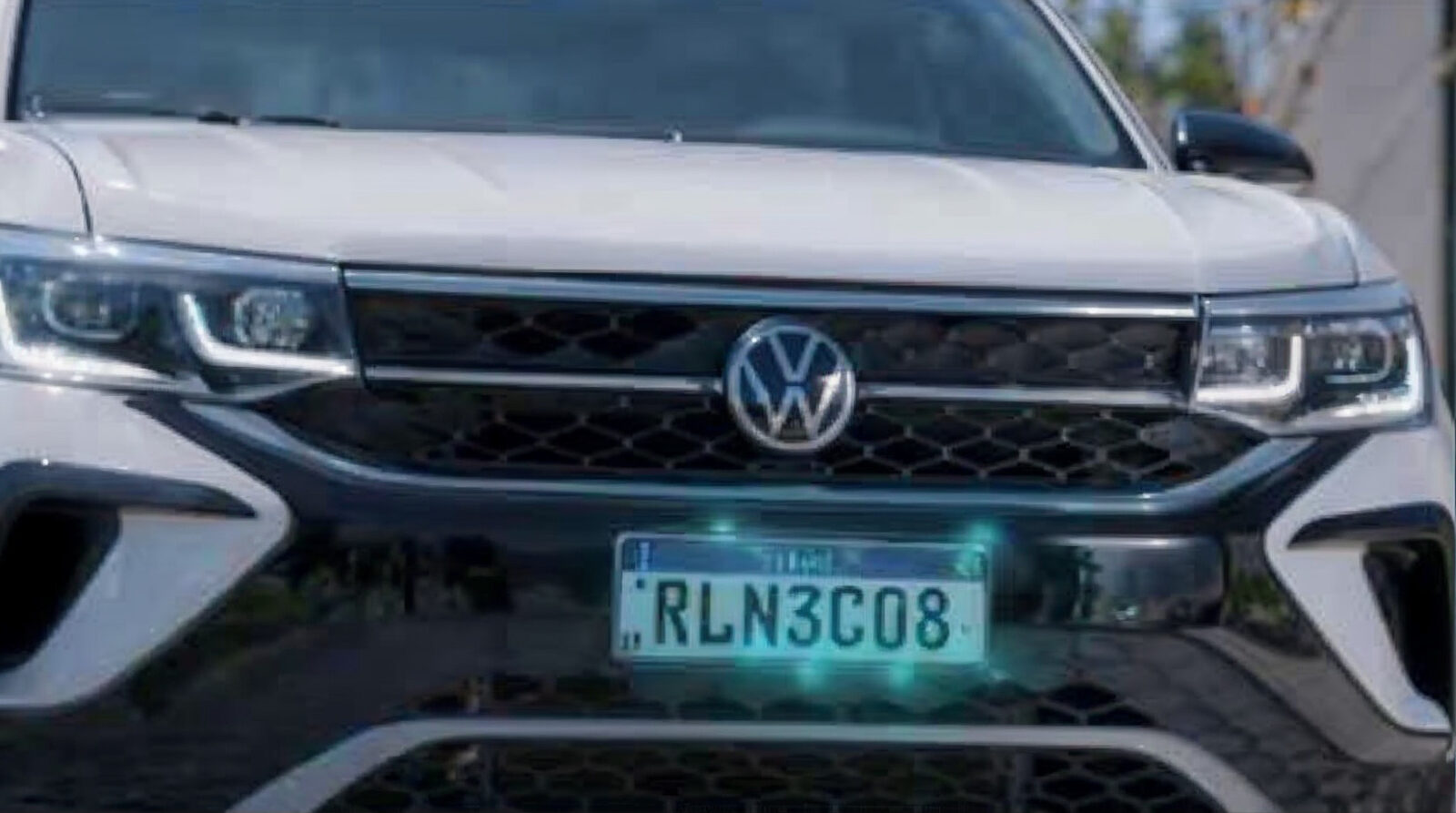
High-performance cameras read the plate and perform facial recognition of who enters. The system is the same type used in airports, a comparison made by ND Mais in 2024. A stolen car plate or wanted person triggers an alert at the command center.
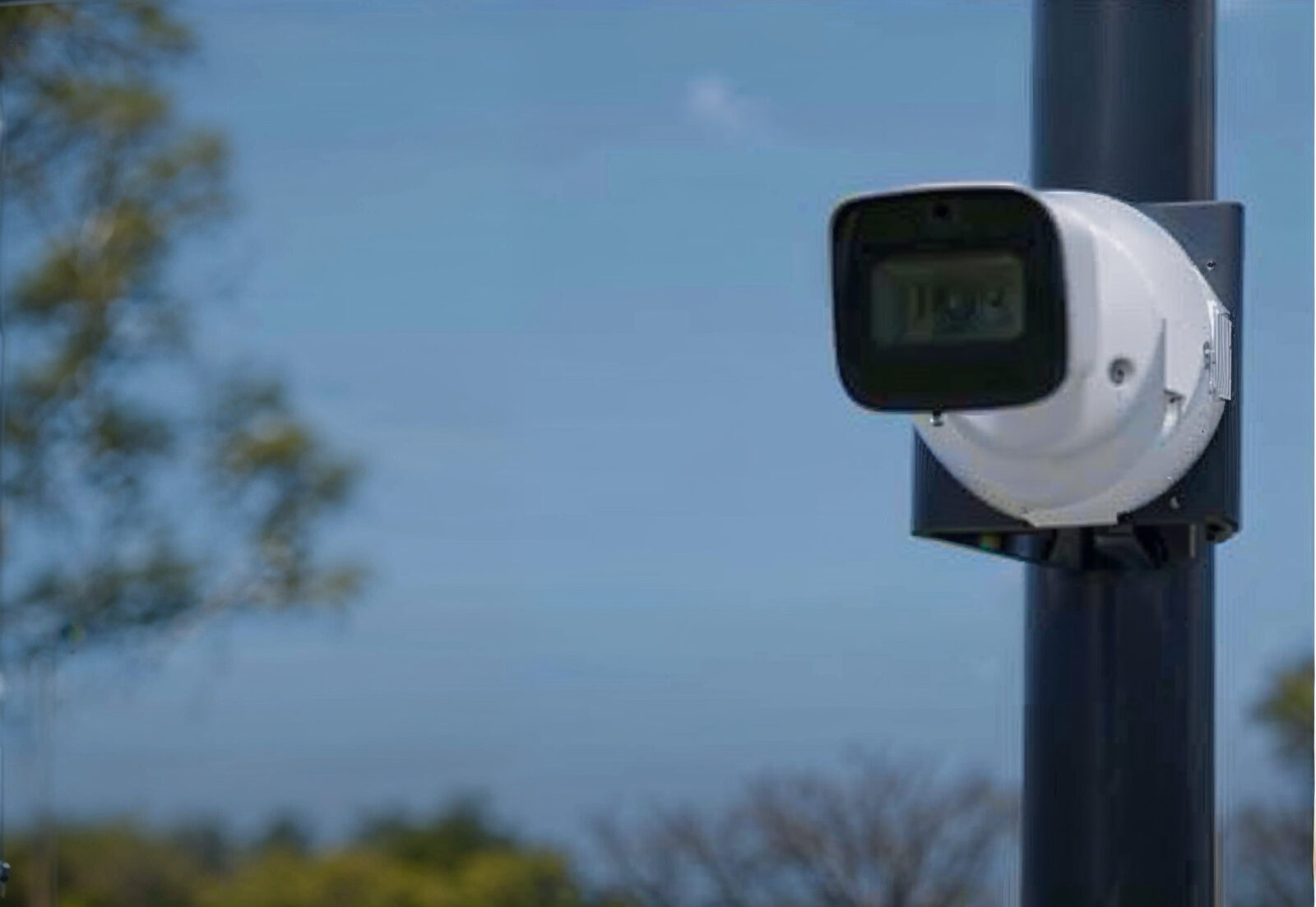
Thermal cameras and barrier sensors instead of a wall. Anyone crossing the virtual line is detected day and night, including in the wooded areas surrounding the neighborhood.
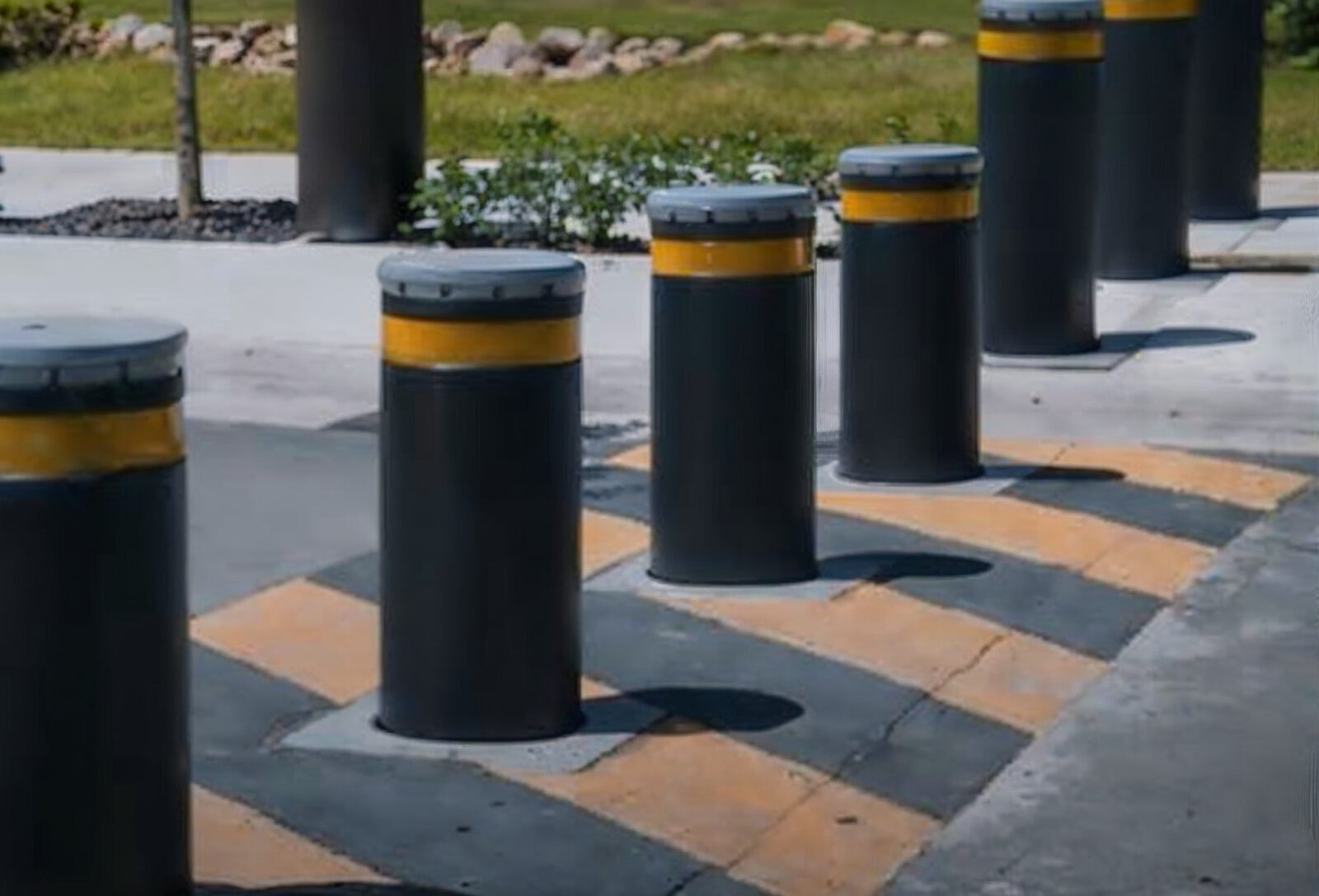
Retractable pillars at the entrances. The command center raises the bollards and blocks the street when a suspicious vehicle is identified, in seconds, with no gate needed.
Scattered throughout the neighborhood, with a button that connects directly to the park's security command center. It's the help point for pedestrians.
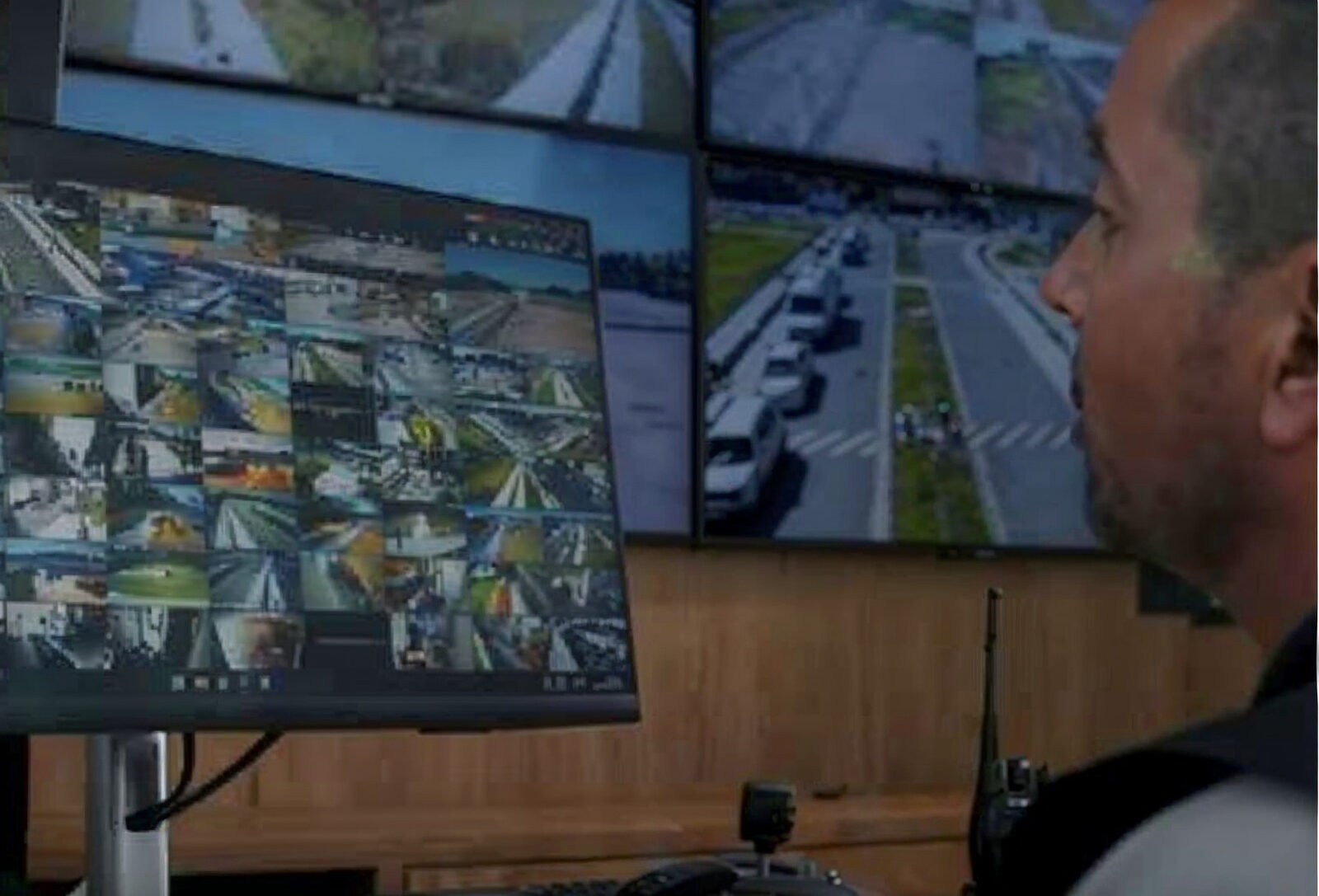
Continuous monitoring of images, with analysis by artificial intelligence (suspicious behavior, plate, face) and a dedicated team inside the neighborhood, all day long.
The neighborhood's command center is integrated with the Military Police, the Municipal Guard, the Federal Highway Police and the Federal Police, according to ND Mais. It serves to identify stolen vehicles and locate missing persons.
Vivapark was designed by Jaime Lerner as a park neighborhood: public streets, open park, street commerce. A wall would kill that. Vokkan wrote in the Master Award case 2025 that security was "designed to operate in an integrated and non-ostentatious manner": the resident doesn't see a guardhouse, they see a street, and the system works behind the cameras. ND Mais called Vivapark, in January of 2024, "Santa Catarina's safest neighborhood" for the technology employed. That's their headline, not ours; what we guarantee is what's in the photos on this page.
Vokkan reported to ND Mais an investment of R$ 2 million in the system's implementation, supplied by Intelbras. Maintenance is divided among owners by Conviva, the neighborhood association.
Santa Catarina appears, year after year, among the states with the lowest homicide rates in the country in the Brazilian Public Safety Yearbook. Porto Belo is a city of 27,688 residents in the 2022 Census (estimate of 31,557 in 2025, IBGE), with a vacation and family profile; the page about the city has the numbers. According to Vokkan's case, the Vivapark system already benefits the surrounding neighborhood, because the entrance cameras cover the avenue and the surroundings.
Those comparing Vivapark to a gated condominium in Balneário Camboriú or Itapema usually ask first about a wall. The right answer is: here security is for the whole neighborhood, not the building. Each development still has its own gatehouse and its own control, but the street already arrives monitored. For those buying a lot and building a house, this weighs more: it's the street in front of the house that's covered, not just the gate. Today there are 20 lots and 44 houses for sale in the neighborhood.
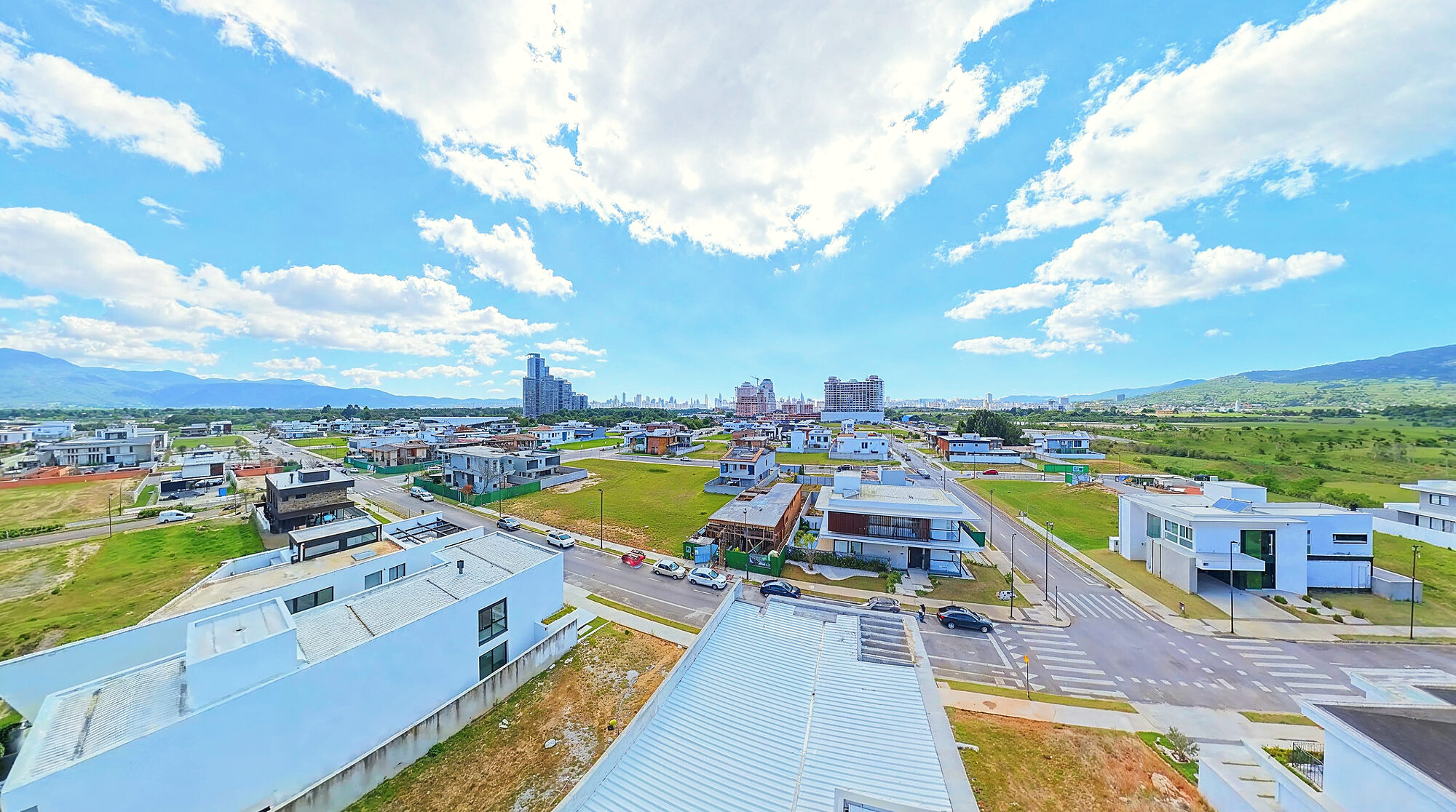
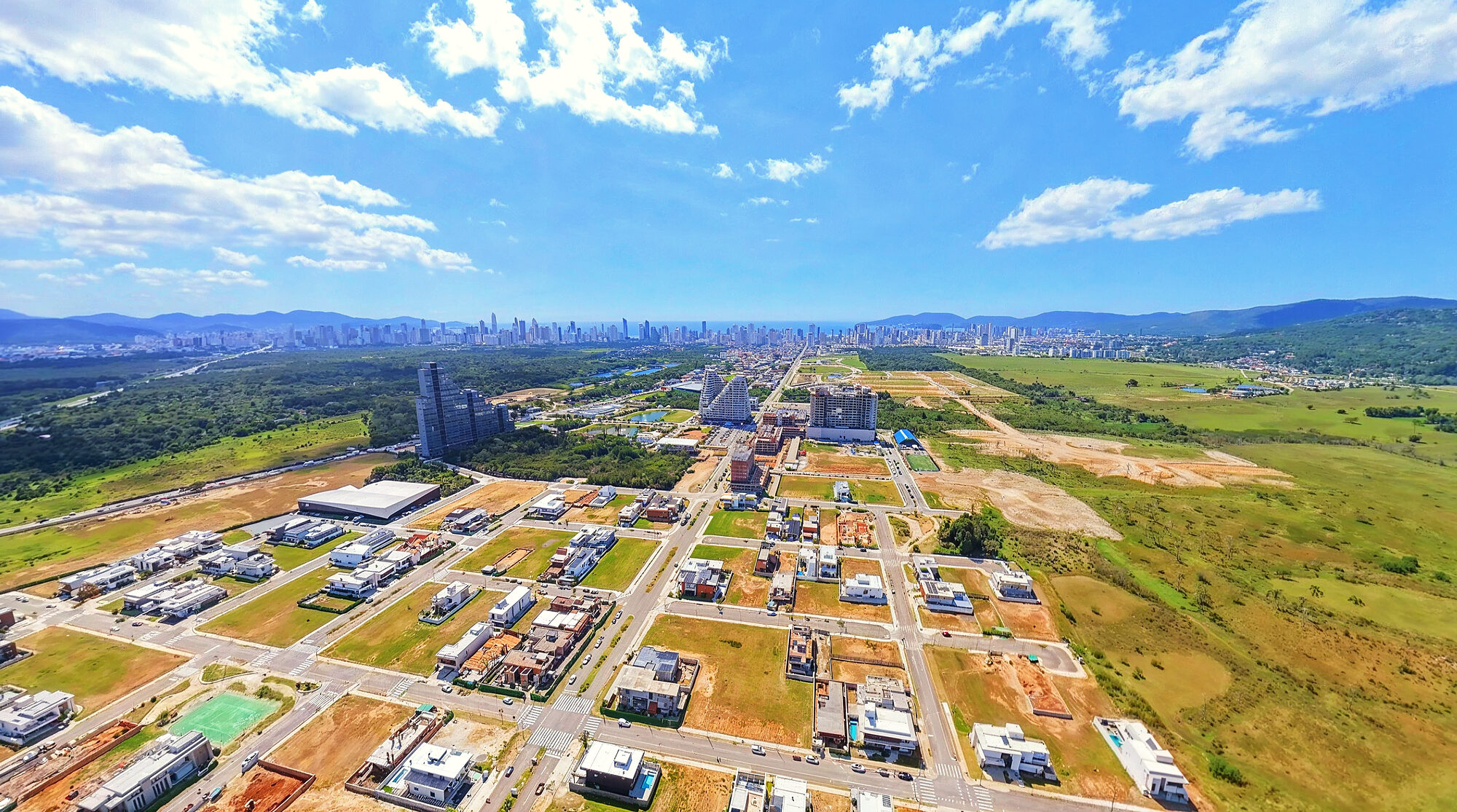
Yes, and for a reason you can verify on foot: it's an open neighborhood, without walls, that Vokkan protects with integrated technology — facial and plate recognition at entrances, virtual fences, thermal cameras and barrier sensors on the perimeter, automated bollards that block the street, camera totems connected to the command center and a dedicated team 24 hours. The system is integrated with the Military Police, the Municipal Guard, the Federal Highway Police and the Federal Police, according to ND Mais.
No. Vivapark is an open neighborhood, with public streets. What exists are monitored entrances, with plate reading and facial recognition, retractable bollards that the command center activates when needed and virtual fences (cameras and sensors) instead of a wall.
The neighborhood's own security command center, with a team 24 hours, operating the system supplied by Intelbras, according to ND Mais. The residents association, Conviva, divides the maintenance cost among owners.
Santa Catarina appears among the states with the lowest homicide rates in Brazil in surveys from the Brazilian Public Safety Yearbook. This page doesn't use neighborhood crime numbers because there's no public source for that; it uses what Vokkan and the press describe about the system.
Vokkan says the system was designed to have low operating and maintenance costs, divided among owners by Conviva. The exact amount depends on how many lots and units are delivered; ask Pricila for the current number.
According to Vokkan's case for the Master Award 2025, intelligent monitoring and facial recognition already benefit the neighborhood around Vivapark, and the system is integrated with police departments.
Sources: ND Mais, Jan 5, 2024 (Intelbras system, R$ 2 million, police integration, Conviva); Vokkan's official case for the Master Real Estate Award 2025 (July 2025: virtual fences, barrier sensors, bollards, totems, 24-person team, community benefit), where the photos come from; IBGE (Census 2022 and estimate 2025); Brazilian Public Safety Yearbook (SC's ranking). This page doesn't cite incident numbers for the neighborhood because there's no public source for that.
Pricila Santos, CRECI 43328-F SC. You'll get an answer by phone, not a form.