Guide 2026: how a foreigner gets a CPF and buys a property in Brazil
Every week someone sends us the same question on WhatsApp, in English or Spanish: can I buy an apartment in Brazil as a foreigner? The short answer is yes. No visa, no residency, no company to open…

Every week someone sends us the same question on WhatsApp, in English or Spanish: can I buy an apartment in Brazil as a foreigner?
The short answer is yes. No visa, no residency, no company needed here.
The long answer is this guide. It covers the entire process — from CPF to key handover — with timelines, documents, and taxes in 2026.
What Brazilian law allows
Brazil is one of the most open countries in the world for the foreign buyer. There's no limit on quantity, value, or nationality for urban property. Apartment, house, office: the process is the same as for a Brazilian.
Restrictions do exist, but they're few and don't apply to beachfront purchases:
Rural property — requires permanent visa or INCRA authorization, development plan, and respects a 25% limit of the municipality's area.
Border zone — the 150 km from the border with another country are national security area.
Foreshore lots — except for cases already regularized in condominiums.
An apartment in Porto Belo, Itapema, or Balneário Camboriú is urban property. None of these three restrictions apply.
The CPF: the first and only essential document
The CPF is the Brazilian tax identification number. Without it you can't sign a deed, register property, open an account, or pay taxes. It's the first step — and it's free.
If you're outside Brazil
The official route is through the Brazilian consulate in your jurisdiction.
Access the Itamaraty's e-consular system and schedule the CPF registration service.
Fill out the FCPF form (Individual Registration Form), available in the system itself.
Bring to your appointment: the signed form, identification document (passport), and birth or marriage certificate.
The service is free with no issuance fee.
The appointment is in-person at the consular office. A foreigner living abroad can't do the registration 100% online — that option exists only for Brazilians living abroad.
If you're already in Brazil
Then it's simpler: registration can be done through the Federal Revenue website or in person at a Post Office, Banco do Brasil, or Caixa branch, with your passport and proof of address. It usually takes between 5 and 10 business days.
A practical tip: if you plan to buy as a couple, get both CPFs. Brazilian notaries ask for your spouse's CPF even when only one of you signs.
Buying without coming to Brazil: power of attorney
This is the part most people don't know: you don't need to be in Brazil to buy — the law allows you to close everything through power of attorney.
The instrument is a public power of attorney with specific powers for the purchase. It can be notarized at the Brazilian consulate in the country where you live, or at a local notary, with Hague apostille and then certified translation in Brazil.
With power of attorney in hand, your attorney-in-fact signs the deed, pays the ITBI, and registers the property in your name. You follow everything from where you are.
In practice, this means you can close the purchase of an off-plan apartment in Santa Catarina without getting on a plane — and see the unit only at key handover, if you want.
The documents the notary will ask for
If you're single: CPF, valid passport (or RNM if you already have residency), proof of address, and birth certificate with certified translation.
If you're married, add to that: CPF and your spouse's document, marriage certificate with certified translation and consular legalization, and prenuptial agreement if applicable.
Every document issued outside Brazil needs a Brazilian certified translator. Some also require apostille (Hague apostille) before being accepted at a notary. Translation cost: around R$ 100 to R$ 200 per document.
How money enters Brazil
This is where many people get stuck, and for no good reason.
The transfer is done through a currency exchange contract at a financial institution authorized by the Central Bank — a bank or brokerage. In the contract, the operation must be declared with the correct nature: property purchase, identifying the actual buyer.
Why does this matter so much? Because this contract is your proof. It's what proves the legal origin of the funds when you want, down the road, to sell the property and send the money back to your country.
Golden rule: never bring money in under the table — funds that come in unregistered don't come out easily.
Taxes and costs, with numbers
When you buy
ITBI, the municipal transfer tax: 2% to 4% of the price
Public deed: 0.3% to 1%
Registry at the notary's office: 0.5% to 1%
Certified translation: R$ 100 to R$ 200 per document
Add it all up and plan for around 5% to 6% of the property price in closing costs. It's the same for Brazilians and foreigners alike — there's no extra tax for being a foreigner.
If you rent the property
Rental income from a non-resident is subject to IRRF withholding tax of 15%, withheld at source, on the net amount — that is, after deducting property tax, ordinary condo fees and management fees.
Two important points:
The one who withholds and collects is your attorney-in-fact in Brazil — naming an attorney-in-fact is required in this case.
If you live in a jurisdiction that Brazil classifies as a tax haven, the rate goes up to 25%. The list includes the Cayman Islands, Monaco, Liechtenstein, the Bahamas and, which catches many people by surprise, Ireland.
This tax is final: once you pay it, you don't need to file an annual return in Brazil.
If you sell
Capital gains — the difference between the sale price and acquisition cost — are taxed at 15% on the gains realized.
Two differences compared to a Brazilian resident:
There is no exemption for properties up to R$ 440 thousand: it applies only to residents.
The buyer is the one who withholds and collects the tax on the same day of payment.
Real estate agent commission and documented improvements count as costs and reduce taxable gains. Keep receipts for everything.
How long it takes
Counting from zero — CPF, choosing the property, legal review, deed and registration — the whole process usually takes 3 to 6 months, depending on the consulate and the notary's office.
When buying an off-plan property the pace is different: the reservation and contract with the developer are quick, and the final registration happens at key handover. You lock in the price and terms now, and the notary comes later.
Step by step, in brief
Get your CPF at the nearest Brazilian consulate, by scheduling through e-consular.
Choose the property and ask for the updated price list: price, floor plan, floor, views, and delivery date.
Execute a power of attorney at the consulate, if you won't come to Brazil.
Gather and translate the documents: passport, birth certificate, and proof of address.
Open a foreign exchange contract at an authorized bank, for property purchase.
Sign the contract with the developer or the deed, as applicable.
Pay the transfer tax and register the property at the land registry office.
Appoint a power of attorney in Brazil if you plan to rent out the property.
Where does this apply at Vivapark
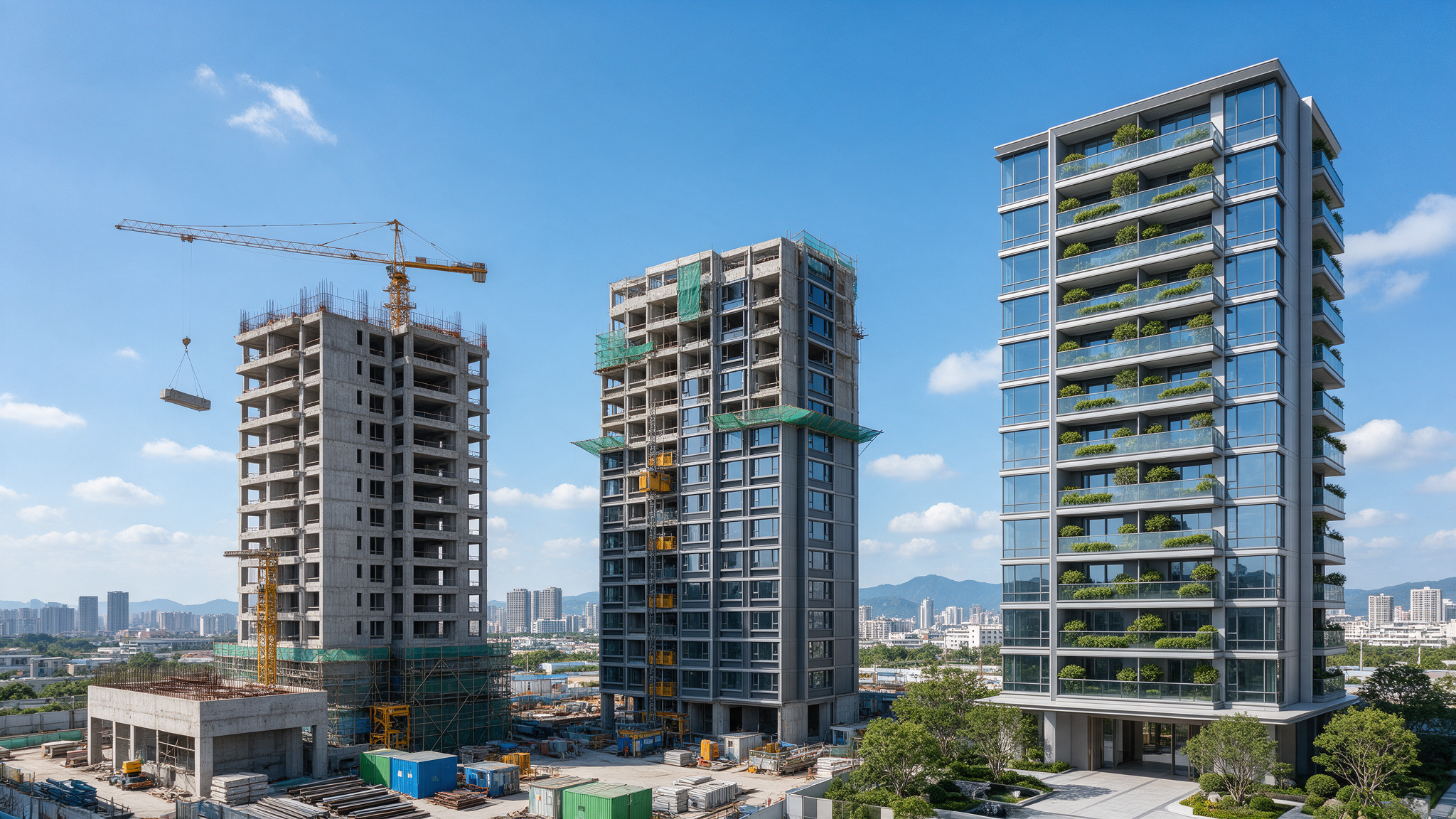
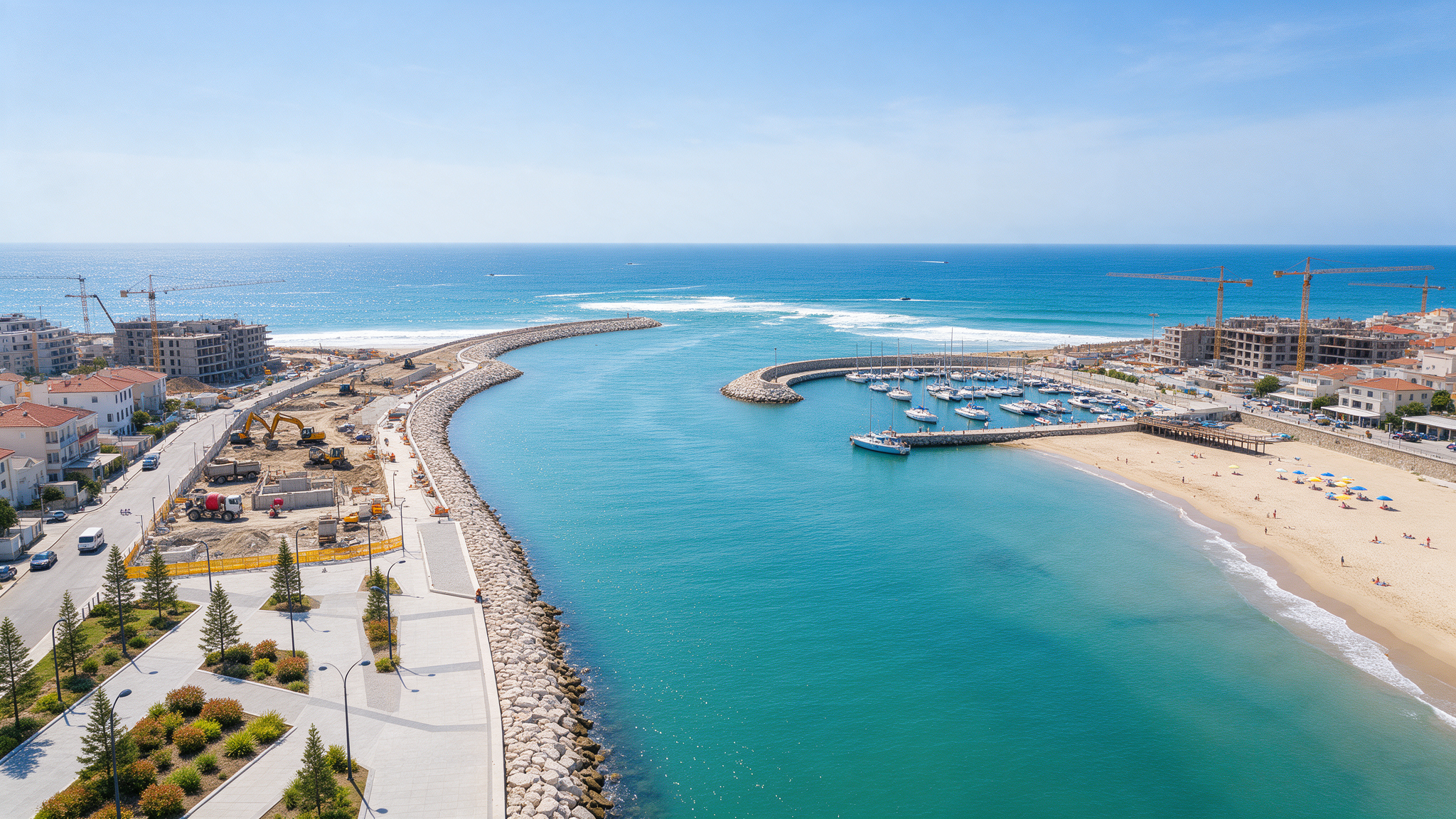
Vivapark is located in Porto Belo, Santa Catarina — an urban area, 20 minutes from Itapema and Balneário Camboriú, 1 hour from Navegantes International Airport. No restrictions apply to foreigners there.
The purchase is made directly with the developer: 2% down payment of the property value and the balance in installments for up to 120 months, with no interest during the construction period. For those earning in dollars or euros, this means a predictable monthly payment without needing a Brazilian bank loan — which for non-residents is practically unfeasible.
Today there are 755 available units across 13 developments, with deliveries between 2027 and 2033.
Talk to someone who does this every day
Our team has already helped American, European, and Brazilian buyers living abroad. We know which consulate serves which state, which notary accepts which translation, and how to structure payment terms for those earning in another currency.
WhatsApp: (47) 99953-6922. We speak Portuguese, English, and Spanish.
This guide is informational and reflects the rules in effect in September 2026. Every situation has its particulars — we recommend validating your circumstances with a lawyer or accountant specializing in non-residents before closing the deal.
Sources: gov.br portal, CPF registration service abroad · Income Tax Regulations (RIR/2018), articles 763 and 781 · Law 9,249/1995 · Law 5,709/1971 (rural property) · Federal Revenue guidance for non-residents, 2026.